
Seat Belt Laws
Finder Law Serves Clients Across Jefferson City, Columbia, and Central Missouri
Understanding Seat Belt Laws in Missouri: A Legal Overview
In Missouri, as in many other states, seat belt laws are designed to protect drivers, passengers, and pedestrians from injury in the event of an accident. Seat belts are one of the simplest yet most effective safety devices in vehicles, significantly reducing the risk of severe injury or death. Understanding Missouri’s seat belt laws is crucial not only for staying compliant but also for promoting safety on the roads. This blog post will explain Missouri's seat belt laws, who must wear seat belts, and the penalties for non-compliance.
Missouri’s Seat Belt Law: An Overview
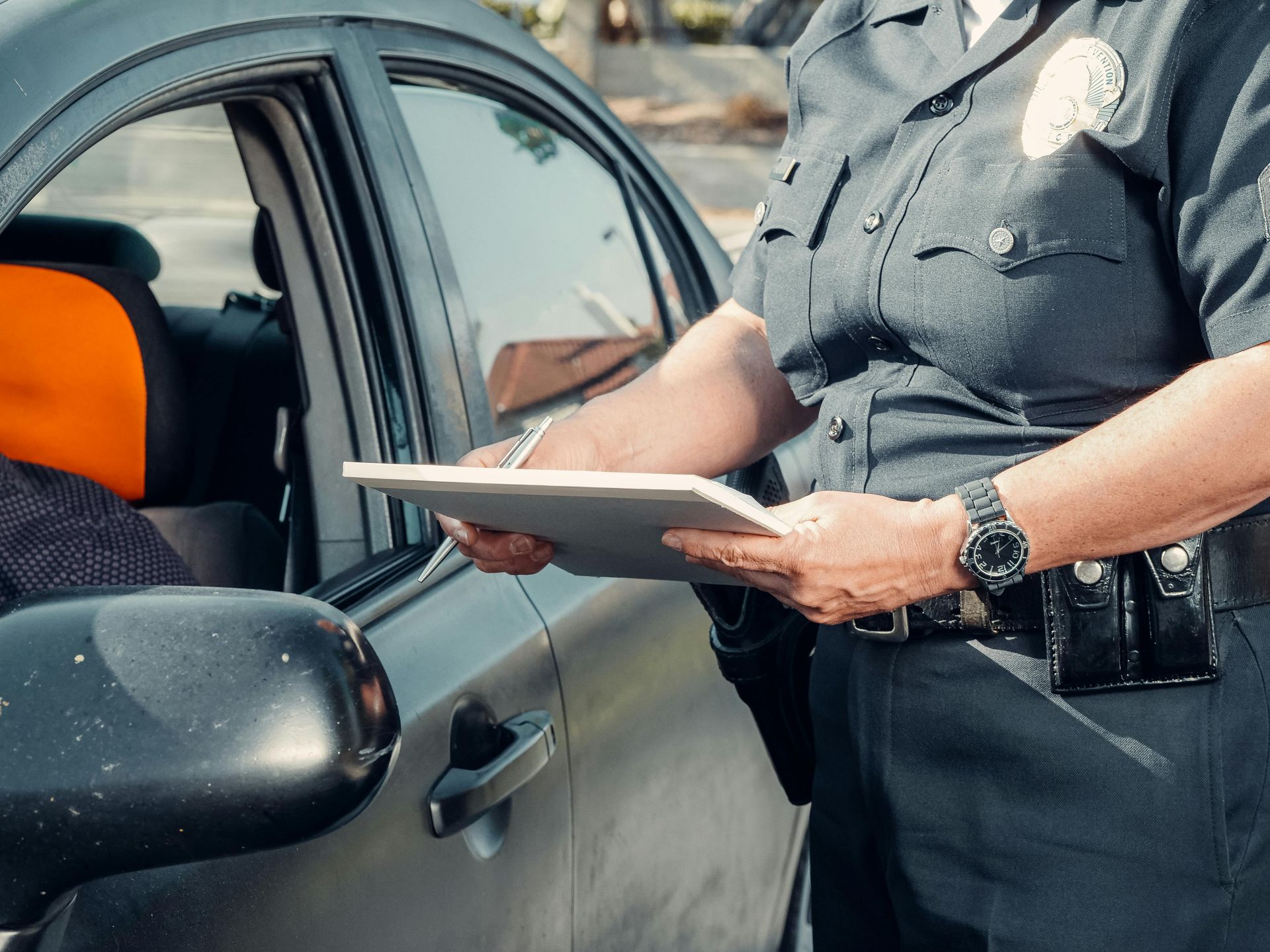
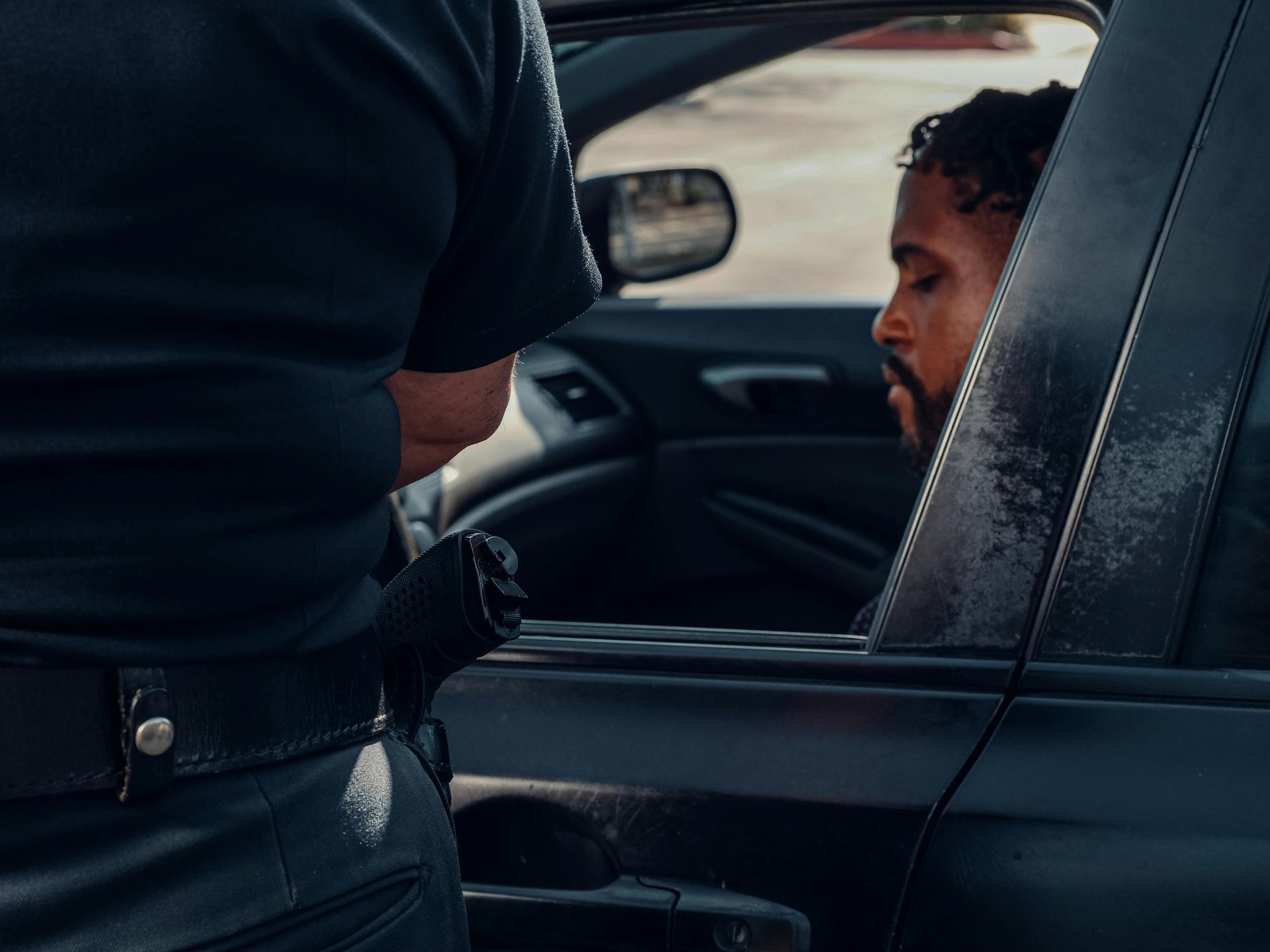
Missouri has a primary seat belt law for drivers and front-seat passengers, meaning that law enforcement officers can pull over a vehicle solely for a seat belt violation. This contrasts with secondary seat belt laws, where officers can only issue a citation for a seat belt violation if the driver was pulled over for another reason.
Under Missouri law, seat belts are mandatory for all drivers and passengers in the front seats of passenger vehicles. However, the rules vary slightly depending on the location and position of the individual in the vehicle, as well as the type of vehicle.
Key Provisions of Missouri’s Seat Belt Law
- Front Seat Occupants:
- Drivers and front-seat passengers are required by law to wear seat belts, regardless of their age.
- If you're a driver or passenger in the front seat, you must be properly restrained by a seat belt while the vehicle is in motion.
2.
Rear Seat Occupants:
- Children: Children under the age of 8 must be properly restrained in a child safety seat, booster seat, or seat belt, depending on their size and age. The Missouri Department of Transportation provides guidelines for when a child should transition from a car seat to a booster seat and from a booster seat to a seat belt.
- Adults in the rear seat:
As of 2021, Missouri law requires that all passengers in the rear seat of a passenger vehicle also wear seat belts, regardless of age. Previously, seat belt use in the back seat was not mandatory for adults, but this law was updated to improve passenger safety.
3. Exceptions to the Law:
- Certain vehicles, such as farm vehicles or construction vehicles, may be exempt from the seat belt law.
- Individuals with certain medical conditions may be excused from wearing a seat belt, but these exceptions are rare and require proper documentation or certification.
4. School Buses:
- Missouri law does not require seat belts on school buses
for children. However, many newer buses are equipped with seat belts, and some school districts have adopted policies to require their use.
Penalties for Non-Compliance with Seat Belt Laws
Violating Missouri’s seat belt laws can lead to fines and other consequences. Here's what you need to know about the penalties:
- For Adults:
- Primary Enforcement:
If you're driving or riding in the front seat and not wearing a seat belt, a police officer can pull you over and issue a citation. The fine for this violation is typically around
$10
for a first offense, but it may be higher in some areas or for repeat offenders.
2.
For Children:
- If a child under the age of 8 is not properly secured in an appropriate child safety seat or booster seat, the driver can face a fine. The fine for this violation is often
$50 to $100 per child.
3. For Rear Seat Passengers (Adults):
- Adults who are caught not wearing a seat belt in the rear seat can face a fine of about
$10. However, in certain areas, fines can be higher if law enforcement agencies decide to issue penalties based on local ordinances.
While the fines for violating seat belt laws are relatively small, the consequences of an accident can be severe. Not wearing a seat belt increases the likelihood of serious injury or death, and in many cases, insurance companies may reduce payouts if you are not wearing your seat belt during an accident.
Why Seat Belt Laws Matter in Missouri
Missouri’s seat belt laws aim to reduce fatalities and serious injuries resulting from traffic accidents. According to the National Highway Traffic Safety Administration (NHTSA), seat belts reduce the risk of fatal injury to front-seat passengers by about 45% and the risk of moderate to critical injury by about 50%. This makes wearing a seat belt not just a legal obligation but also a critical safety measure for all occupants of a vehicle.
In 2020 alone, Missouri had
over 140 fatalities
in crashes involving individuals who were not wearing seat belts. The state has seen efforts to increase seat belt use through awareness campaigns and stricter enforcement, especially for rear-seat passengers.
The Importance of Wearing Seat Belts: Beyond Legal Compliance
While Missouri’s laws are in place to enforce safety on the roads, the most important reason to wear a seat belt is for your own protection. In a crash, seat belts help to:
- Prevent ejection from the vehicle, which is one of the leading causes of death in traffic accidents.
- Reduce the risk of severe injuries, including head, neck, and spinal cord injuries.
- Distribute the force of a crash across the stronger parts of your body, such as your pelvis and rib cage.
- Keep drivers in better control of their vehicle, reducing the likelihood of loss of control during a crash.
Conclusion
Seat belts are one of the simplest and most effective ways to protect yourself and your passengers while on the road. Missouri’s seat belt laws emphasize the importance of using this life-saving device, and law enforcement is focused on keeping everyone on the road safer through enforcement of these laws. Whether you're a driver, passenger, or parent, make sure you and your loved ones are buckled up—it's not only required by law but it's the best way to ensure safety.
So, next time you get in your car, remember to fasten your seat belt. It’s a small step that can make a world of difference in the event of an accident. Stay safe, stay compliant, and keep Missouri’s roads safer for everyone.
This blog is for informational purposes only and does not constitute legal advice. For specific guidance, please contact our office directly.