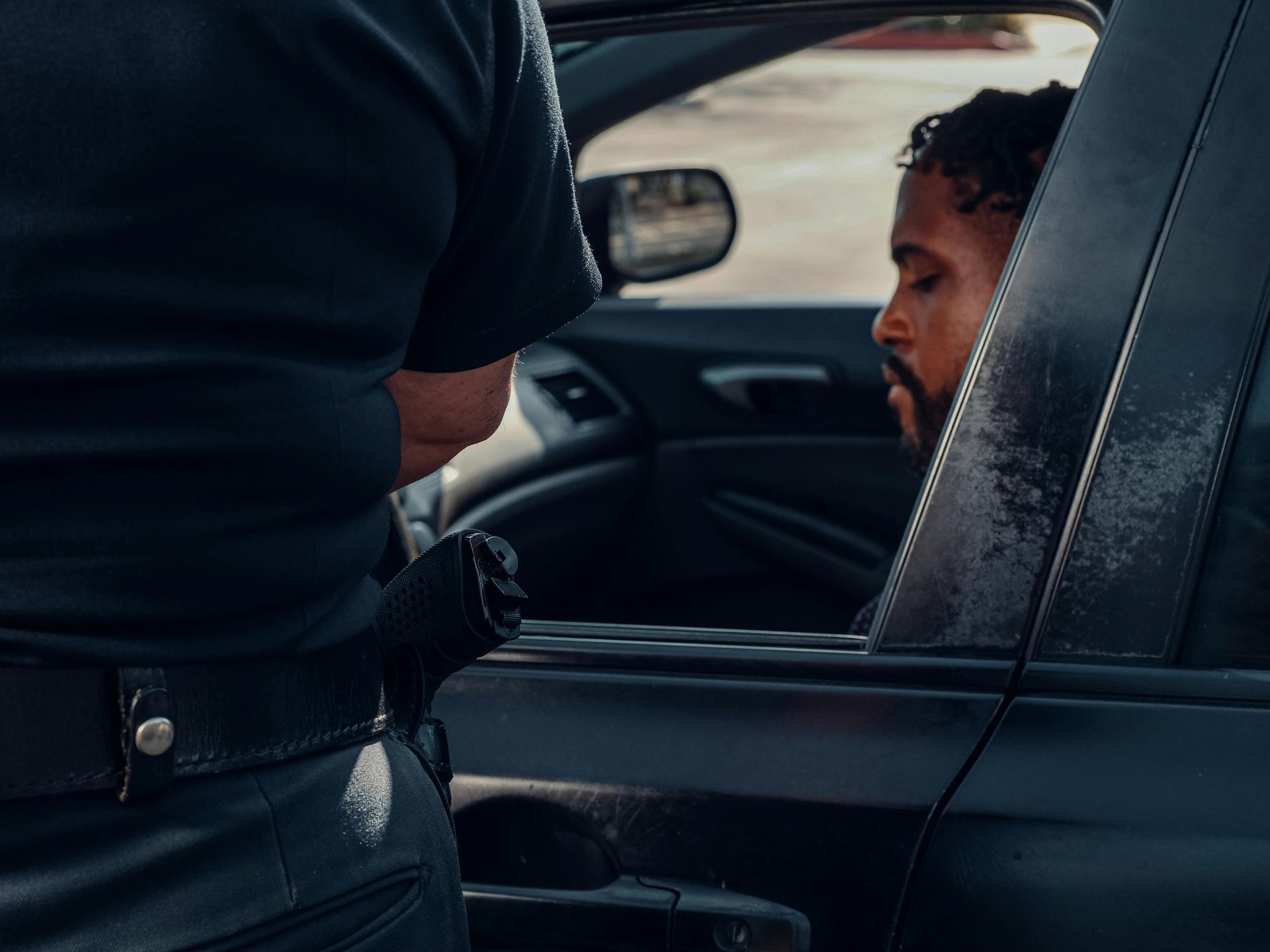

First, Second, Third & Subsequent offenses in MO

Finder Law Serves Clients Across Jefferson City, Columbia, and Central Missouri

Kara McNabb • June 24, 2025

Understanding First, Second, Third & Subsequent Offenses in Missouri: What You Need to Know

In Missouri, the consequences of a criminal or traffic offense can vary significantly depending on whether it is your first, second, or third (or subsequent) offense. Understanding these distinctions is crucial for anyone facing legal charges, as penalties typically become more severe with each repeated violation.

First Offense: The Initial Impact

For a first-time offense—whether it’s a traffic violation like DUI, a misdemeanor, or a minor criminal charge—Missouri courts often impose lighter penalties. These can include fines, community service, probation, or short jail sentences. First offenses may also qualify for certain alternative sentencing options, such as diversion programs, which can help avoid a conviction on your permanent record.

Second Offense: Increased Penalties and Consequences

A second offense in Missouri generally triggers harsher consequences. For example, if you’re charged with a second DUI within five years, the penalties escalate to include longer license suspensions, higher fines, mandatory ignition interlock devices, and increased jail time. Similarly, repeat misdemeanor or criminal offenses often result in more stringent probation terms or longer sentences, reflecting the state’s intent to deter repeated unlawful behavior.

Third (and Subsequent) Offenses: Serious Legal Ramifications

When an individual faces a third or subsequent offense in Missouri, the legal system treats it very seriously. This is especially true for crimes like DUI, drug offenses, or domestic violence. Penalties may include substantial jail or prison time, hefty fines, and long-term license revocation or suspension. For certain offenses, multiple convictions can elevate the charge from a misdemeanor to a felony, significantly impacting your future employment, housing, and rights.


Why You Need Experienced Legal Representation

If you are facing criminal or traffic charges in Missouri, whether it’s your first offense or a subsequent offense, having a knowledgeable attorney by your side can make all the difference. The complexities of Missouri law and the escalating penalties for repeat offenses demand skilled legal advocacy to protect your rights and minimize consequences.

Contact Daniel Finder at Finder Law, LLC

For dedicated and experienced legal support in criminal law, reach out to Daniel Finder at Finder Law, LLC. Daniel is committed to guiding you through every step of the legal process and fighting for the best possible outcome.


Don’t face your charges alone — contact Finder Law, LLC today for a consultation. With over a decade of experience successfully defending criminal law cases, Daniel Finder is the advocate you need on your side.

This blog is for informational purposes only and does not constitute legal advice. For specific guidance, please contact our office directly.


July 8, 2026
For many couples, the family home is the most valuable—and emotionally significant—asset involved in a divorce. Deciding what happens to that home can be one of the most challenging parts of the process. If you’re going through a divorce in Missouri and facing the sale of a house, understanding your rights and options can help you avoid costly mistakes and unnecessary conflict.
July 1, 2026
A DWI (Driving While Intoxicated) charge in Missouri is not just another traffic ticket—it’s a serious criminal offense that can impact your freedom, your finances, and your future. Many people underestimate how complex DWI cases can be, and making the wrong decision early on can have lasting consequences. If you’ve been charged with DWI in Missouri, hiring an experienced attorney is one of the most important steps you can take.
June 24, 2026
Real estate issues are some of the most common—and often most contentious—civil matters in Missouri. Whether you’re a homeowner, landlord, tenant, buyer, or seller, disputes involving property can arise quickly and escalate if not handled properly. Understanding the most common types of real estate cases in Missouri can help you recognize potential problems early and protect your rights.
June 17, 2026
Retirement accounts are often one of the most valuable assets in a marriage—sometimes even more valuable than the family home. When a divorce occurs in Missouri, properly dividing these accounts is critical to ensuring a fair outcome and avoiding costly tax consequences. If you’re going through a divorce, understanding how retirement assets are handled can help you protect your financial future.
June 10, 2026
When it comes to estate planning in Missouri, one of the most common questions people ask is: Should I have a will, a trust, or both? The answer depends on your goals, your assets, and how much control you want over what happens after you pass away. Understanding the key differences—and advantages—can help you make the right decision for your situation.
June 3, 2026
Probation is often seen as a second chance—a way to avoid jail time while meeting certain court-ordered conditions. But in Missouri, violating probation can quickly put you back in front of a judge and at risk of serious consequences. If you’ve been accused of violating probation, understanding your rights and acting quickly can make a significant difference in the outcome of your case.
May 27, 2026
Divorce is rarely just about dividing assets—it often involves complex emotional and personal issues. In Missouri, one question that frequently arises is whether a spouse’s behavior during the marriage can impact the outcome of the divorce. The short answer: yes, but only in specific ways. Missouri courts may consider “marital misconduct,” but it doesn’t automatically control the outcome of your case.
By Alyssa Finder May 27, 2026
Property survey disputes are a frequent source of conflict between neighbors and can quickly turn into costly legal battles if not handled correctly. In Missouri, survey discrepancies often arise when property lines are unclear, outdated surveys conflict with newer measurements, or improvements are built too close—or directly over—a boundary line. Understanding how Missouri law treats survey disputes can help property owners protect their rights and avoid unnecessary litigation. What Is a Survey Dispute? A survey dispute occurs when two or more parties disagree about the location of a property boundary. This may happen when: Surveys show different boundary lines A fence, driveway, or structure appears to encroach on neighboring property A new survey contradicts long-standing assumptions about property lines Property descriptions in deeds are vague, inconsistent, or outdated Missouri courts rely heavily on licensed land surveys , legal descriptions, and historical records when resolving these disputes. Common Causes of Survey Discrepancies in Missouri Outdated or Inaccurate Surveys Older surveys may have been conducted using less precise equipment or incomplete records. When a modern survey reveals discrepancies, property owners may be surprised to learn that improvements were built partially on a neighboring lot. Conflicting Deed Descriptions Legal descriptions in deeds sometimes contain errors, ambiguous language, or conflicting measurements. These inconsistencies can create confusion about true boundary lines, especially in older neighborhoods or rural properties. Encroachments Encroachments occur when a structure—such as a fence, garage, or retaining wall—extends beyond a property line. Even minor encroachments can trigger legal disputes, particularly when property is sold or refinanced. Adverse Possession and Boundary by Acquiescence In some Missouri cases, long-term use of property can affect ownership rights. If a neighbor has openly and continuously used land for a statutory period, they may attempt to claim ownership through adverse possession or boundary by acquiescence . These claims are highly fact-specific and often require litigation to resolve. Easement and Right-of-Way Conflicts Survey disputes may also involve easements for utilities, access roads, or shared driveways. A survey may reveal an easement that restricts how property can be used, leading to disagreements between neighbors or property owners. How Missouri Courts Resolve Survey Disputes Missouri courts consider several factors when determining property boundaries, including: Professional surveys prepared by licensed Missouri surveyors Recorded plats and subdivision maps Deed language and chain of title Physical markers, monuments, and historical usage Testimony from surveyors and expert witnesses Because survey disputes often involve technical evidence, legal representation is critical. Your Legal Options in a Missouri Survey Dispute Depending on the circumstances, your legal options may include: Obtaining a new or corrective survey Sending a formal legal demand to resolve the dispute Negotiating a boundary agreement with a neighbor Filing a quiet title action to establish ownership Seeking injunctive relief or damages for encroachments An experienced attorney can evaluate whether litigation is necessary or if the matter can be resolved through negotiation or mediation. Protect Your Property Rights with Experienced Legal Counsel Survey disputes can delay property sales, reduce property value, and create long-term tension between neighbors. Addressing discrepancies early and correctly can save time, money, and stress. If you are dealing with a property line dispute or survey discrepancy in Missouri, contact Daniel Finder at Finder Law, LLC for experienced legal representation. A knowledgeable attorney can help clarify your rights and pursue a resolution that protects your investment.
May 20, 2026
Head-on collisions are among the most dangerous types of car accidents on Missouri roads. These crashes often result in severe injuries, extensive property damage, and, tragically, fatalities. If you or a loved one has been involved in a head-on crash, understanding your legal rights is critical. This guide explains how head-on collisions happen, who may be at fault under Missouri law, and what steps you should take to protect your claim.
By Alyssa Finder May 20, 2026
Facing a “no license” or “failure to register” ticket in Missouri can be frustrating—especially when you actually are licensed or registered, but didn’t have the proof in the vehicle. Here’s how to protect yourself and your driving record. Understanding These Missouri Charges Missouri law requires you both to have a valid driver’s license and to comply with registration and plate requirements for your vehicle. Common situations include: You have a valid driver’s license, but it was not physically on you when stopped. The car is properly titled and registered, but the paperwork or plate information was missing, outdated, or not in the vehicle. Courts and prosecutors often treat “no license on person” or technical registration issues less harshly than truly driving unlicensed or failing to register at all, especially if you can quickly show proof that you were actually in compliance. What to Do After You Get the Ticket If you receive a citation but you actually had a valid license or registration at the time: Locate your proof immediately Find your valid Missouri driver’s license or renewal record. Find your current registration, title, or renewal documents showing the vehicle was properly registered. Fix any lingering issues fast If something really was expired or late, get it renewed or corrected before your court date. Keep receipts and confirmations, and bring copies with you. Bring proof to court (or to your attorney) Many Missouri courts will dismiss or reduce “no license on person” or minor registration charges if you can show that: You had a valid license at the time of the stop, or The vehicle is now properly registered and compliant. Do not just plead guilty online Even if a charge looks minor, paying it online may create a record or points that could have been avoided if the ticket had been dismissed or amended. Possible Outcomes When You Show Proof When you can prove you were actually licensed or properly registered, common outcomes in Missouri courts may include: Dismissal of the charge upon showing proof of a valid license or corrected registration. Reduction to a lesser or non-moving violation, which can help avoid points and insurance increases. Payment of court costs only, even if the citation itself is dismissed. Exact results depend on the specific court, judge, and prosecutor, as well as your prior record, but having a lawyer present your documentation often improves your chances. Why It Still Makes Sense to Talk to an Attorney Even a “technical” ticket can have consequences if handled the wrong way. A Missouri traffic attorney can: Review your ticket, driving record, and registration history for problems or defenses. Contact the prosecutor to show proof of compliance and negotiate dismissal or reduction. Help you avoid unnecessary points, fines, or a record that could affect insurance and employment. For repeat issues—or if there’s any question about whether your license or registration were actually valid—legal help is especially important because penalties can escalate to higher-level misdemeanors. Call Finder Law, LLC for Help With Missouri License and Registration Tickets If you’ve been cited in Missouri for failure to register or driving without a license when your real issue was that the paperwork or license wasn’t in the vehicle, you may have more options than you think. Finder Law, LLC can help you gather the right proof, communicate with the court, and work toward dismissal or reduction of the charges. Call Daniel Finder at Finder Law, LLC today to discuss your ticket, your documentation, and the best way to protect your record and your driving privileges.